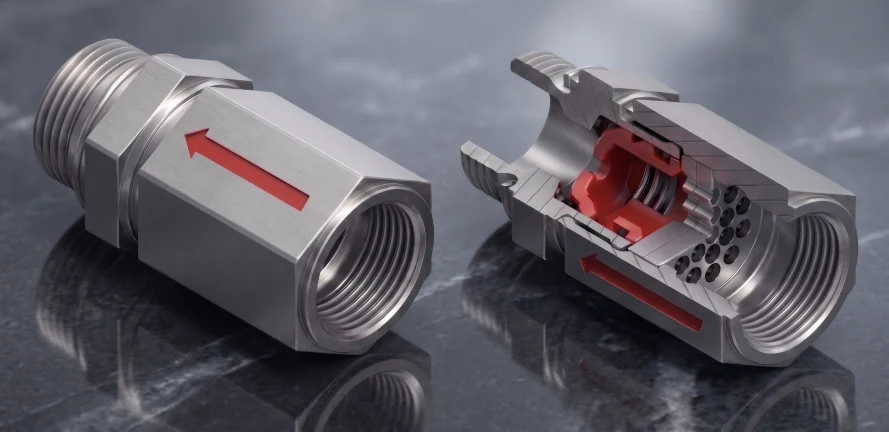
pulsmin pulsation dampersThe dryer switches over. The compressor stays calm.
Stainless steel pulsation dampers for compressed air production in rail vehicles. No power, no maintenance, since 2001.
The dryer switches over roughly every 50 seconds to several minutes.
Adsorption dryers regenerate in cycles. When switching over they briefly draw a large amount of compressed air, and at every compressor stop the line between compressor and dryer outlet is vented to atmosphere. Both times the pressure drops abruptly. The pressure sink travels back to the compressor at the speed of sound and expands the compressed air there explosively across the filter element of the oil separator.
- Oil in the compressed air networkResidual oil content rises. Pipes, dryer and components are contaminated.
- Ruptured oil mist separatorsThe alternating pressure differences wear down the filter fleece until it tears.
- Dust and valve damageWith piston compressors, the discharge pulsation adds to this: dryer granulate breaks down into dust in pipes and components, and reed valves are damaged.
Open while everything is calm.
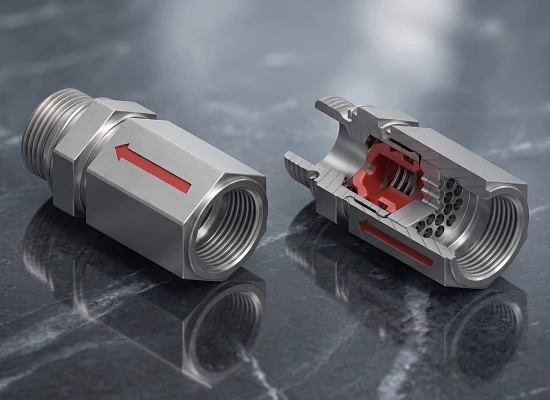
The compression spring holds the piston off its seat. Air flows through the piston and past the seat; the flow loss is negligible.
Pressure drops downstream of the valve. The piston closes.
The air still being delivered can only pass through the bypass bore in the piston. It is sized so that operating pressure is held upstream of the valve.
Equal pressure on both sides. The valve opens.
Compressor, oil separator and the pipe upstream keep working in quasi-steady-state operation. No power, no controls, no adjustment.
Every time the dryer switches, the pressure collapses.
The line is relieved abruptly. Afterwards the compressor has to refill the entire line including the dryer.
With the PDV only a small dip remains.
The valve closes as soon as the pressure behind it drops. At the compressor only an insignificant pressure drop remains; only the dryer has to be refilled.
No cable. No electronics. Just mechanics.
Six parts. All stainless steel.
Housing, piston and spring in stainless steel 1.4301. No soft seals, nothing that can embrittle.
Parts list PDV-DS
Hover over a part to see it on its own.
Measured on a piston compressor.
Kötter Consulting Engineers measured the effect of a PDV-DS on an oil-free piston compressor in a shunting locomotive. The pressures in the pipe upstream and downstream of the valve were recorded simultaneously.
- Compressor
- reciprocating piston, oil-free, two-stage
- Intake volume flow
- 2,150 l/min at 1,579 min−1 (as stated by the compressor manufacturer)
- Gauge pressure upstream of the PDV-DS
- 10 bar
- Valve
- PDV-DS G 1"
- Sampling rate
- 2,000 Hz
- Measured by
- Kötter Consulting Engineers GmbH, Rheine
- Pulsation upstream of the PDV-DS (P1)
- 0.604barpeak to trough
- Residual pulsation downstream of the PDV-DS (P2)
- 0.254barAccording to the dryer manufacturer, less than 0.5 bar is sufficient to keep the desiccant grains from moving against each other, abrading and turning to dust.
- Measured damping
- 40.3%excluding the share of the piping components in between, at 155 mbar pressure loss
- Pulsation frequency
- 26.3Hzat 1,579 min−1
“Not as good as possible, but as good as necessary!”
Install and forget.
The valve is maintenance-free. It needs no adjustment: pulsmin builds it to your volume flow and the required holding pressure.
| Medium and ambient temperature | −60 to +140°C |
|---|---|
| Permissible operating pressure (gauge) | 20bar |
| Intake volume flow | up to 4,000l/minNominal sizes G ½" (M 22×1.5), G 1" and G 1¼" |
| Pressure drop upstream when closing | max. 1 to 3barTest value for the function check after installation |
| Material of all parts | Stainless steel 1.4301 |
| Proven in service down to | −50°CCompressed air systems for Russia |
| Mounting position | anyhorizontal to vertical, observe the flow direction |
| On the market since | 2001 |

Installed.
In the pressure line between compressor and dryer.
Normal operationThe piston is open and compressed air flows through the valve.
The dryer switches overThe pressure drops downstream of the valve. The piston closes, the air can only pass through the bypass bore.
Pressure equalisedThe bypass refills the line. At equal pressure the valve opens.
In service.
pulsmin pulsation dampers sit in the compressed air systems of rail vehicles, metros, mountain railways and buses. A selection, with photos of the vehicles and installation points.
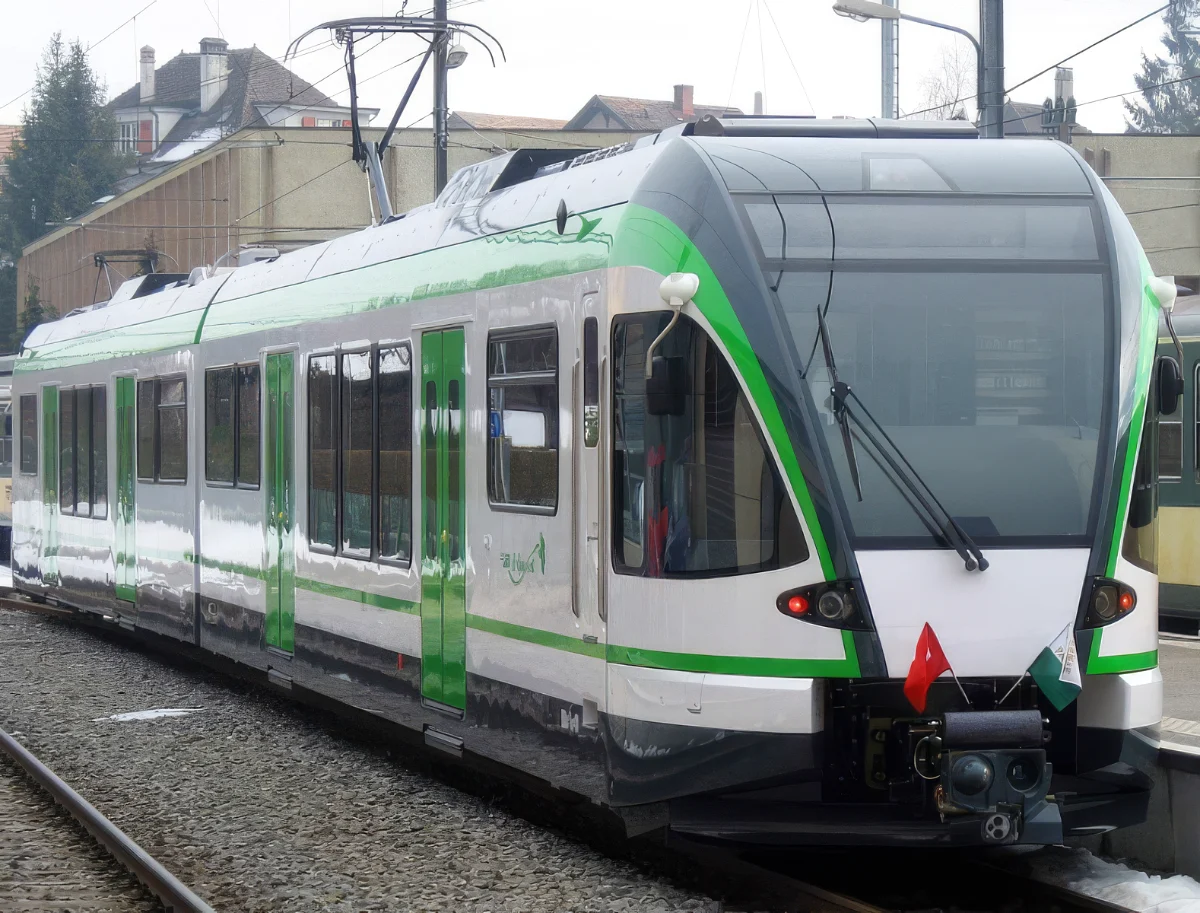
Stadler
- Country
- Switzerland
- Use
- Rail vehicles
- Dryer
- Twin-chamber adsorption
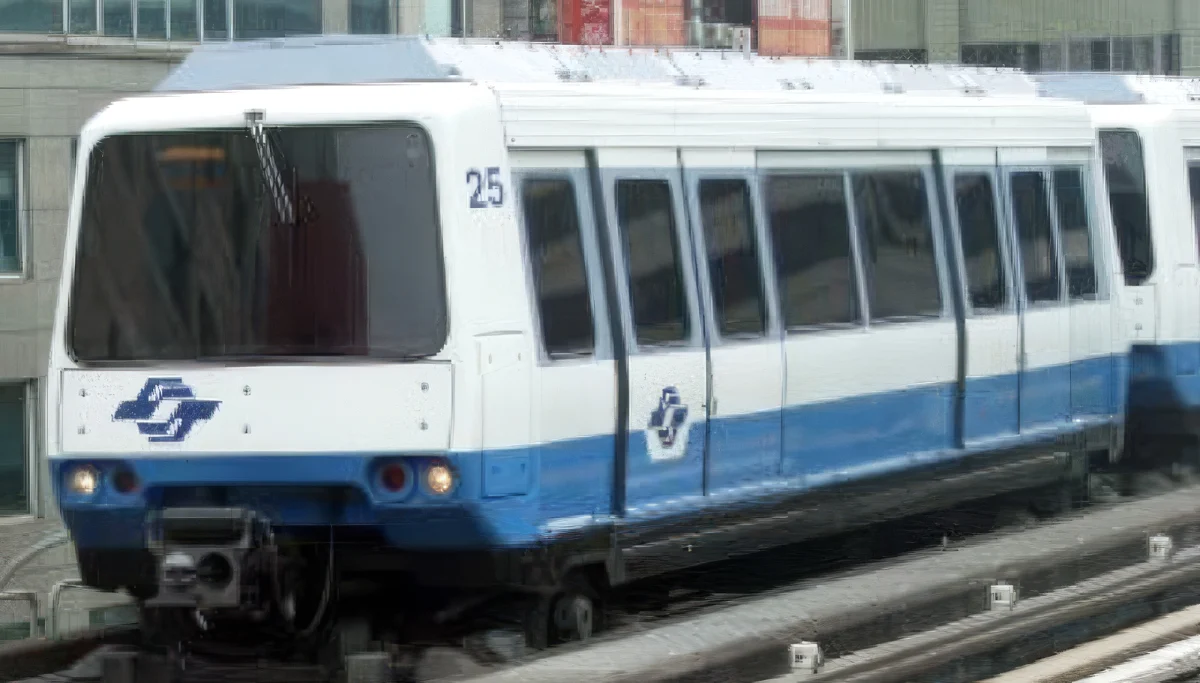
Taipei
- Country
- Taiwan
- Use
- Metro
- Dryer
- Membrane
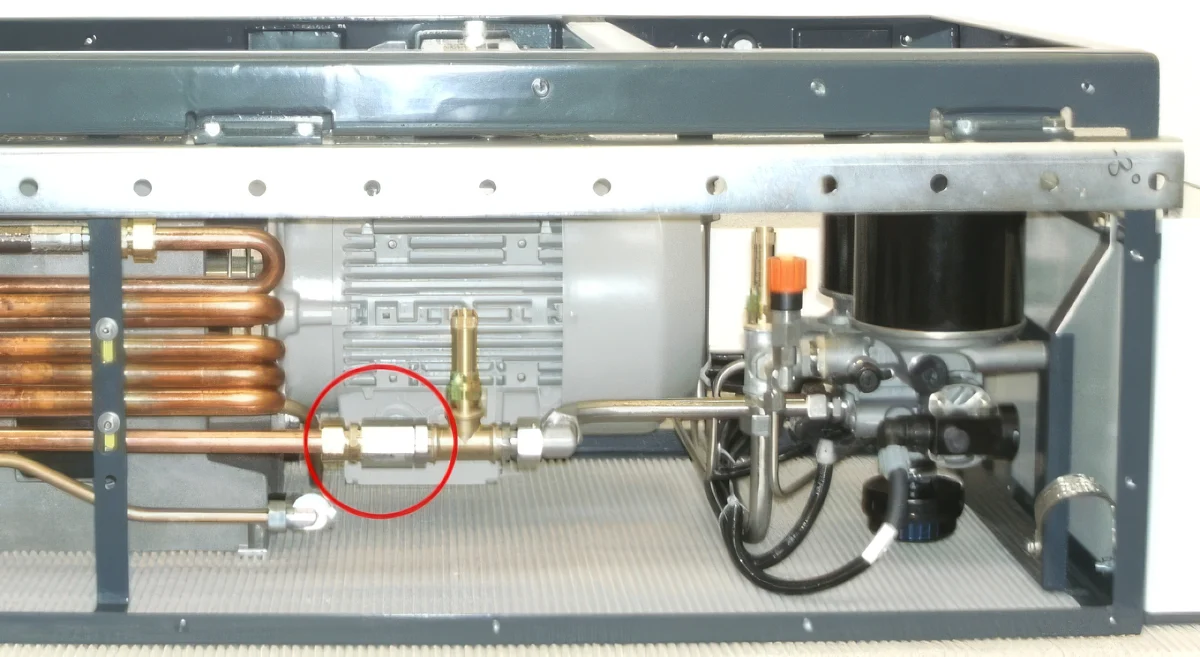
Matterhorn
- Country
- Switzerland
- Use
- Mountain railway
- Dryer
- Twin-chamber adsorption
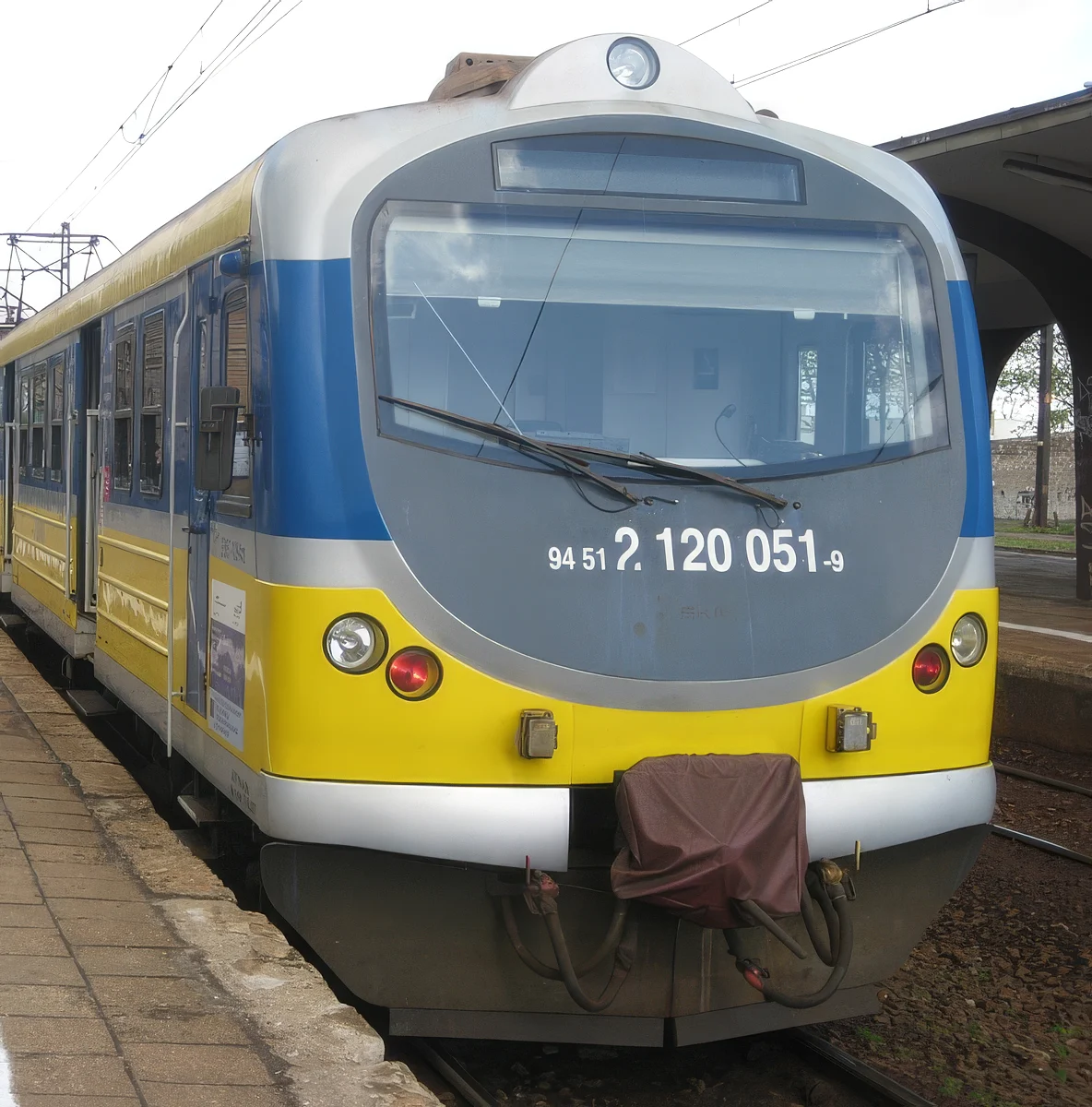
SKM Trójmiasto
- Country
- Poland
- Use
- Rail vehicle
- Dryer
- Twin-chamber adsorption
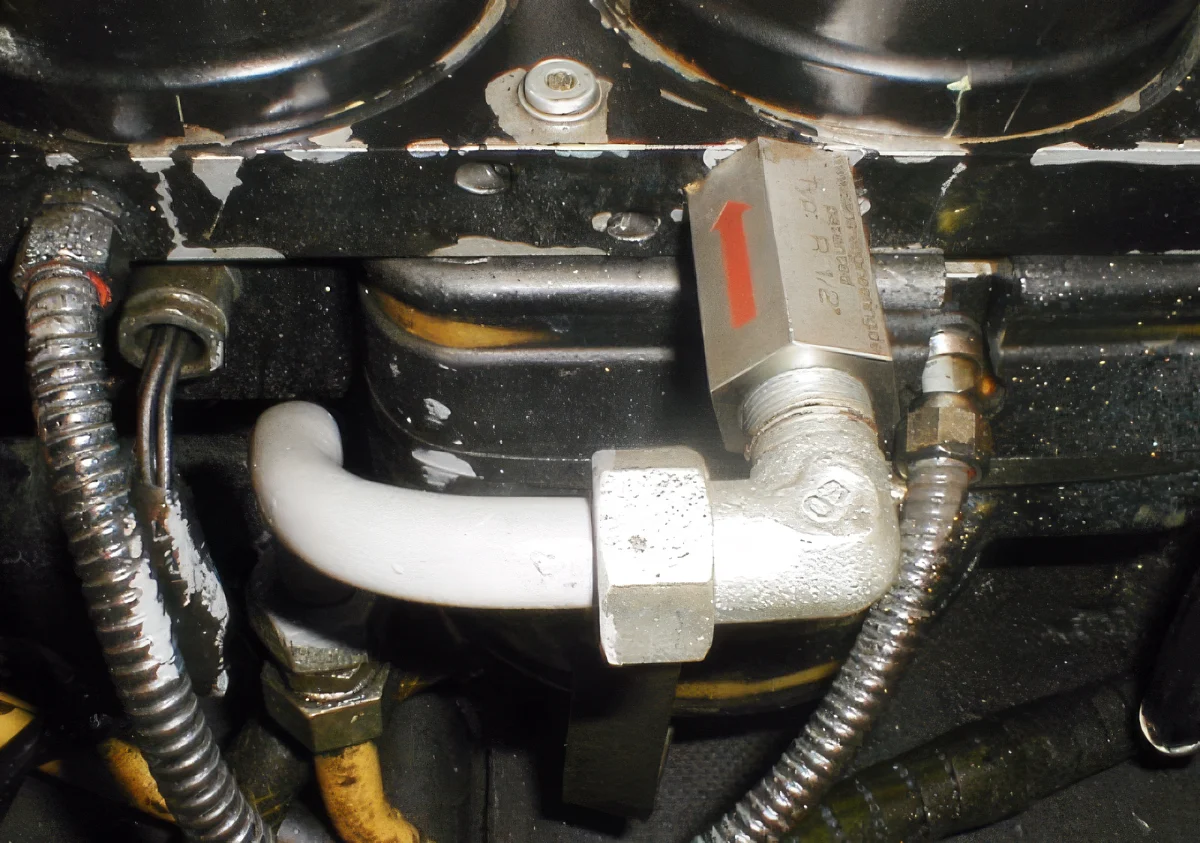
Zagreb
- Country
- Croatia
- Use
- Tram
- Dryer
- Twin-chamber adsorption
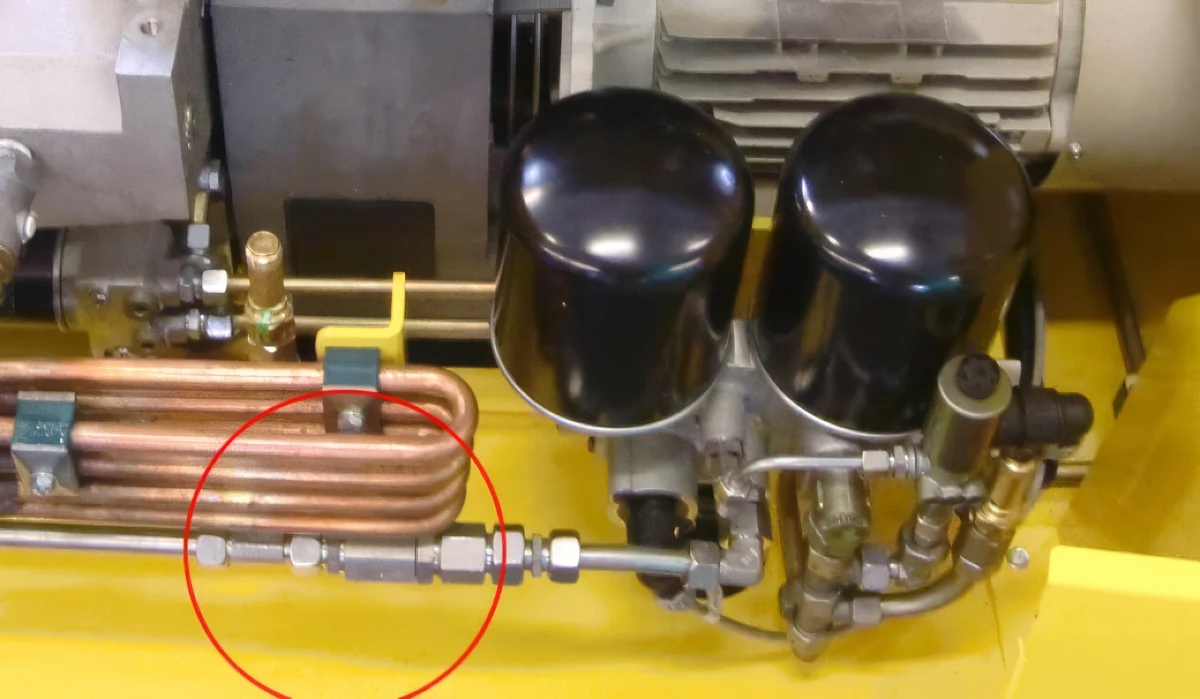
Zagro
- Country
- Germany
- Use
- Shunting vehicle
- Dryer
- Twin-chamber adsorption
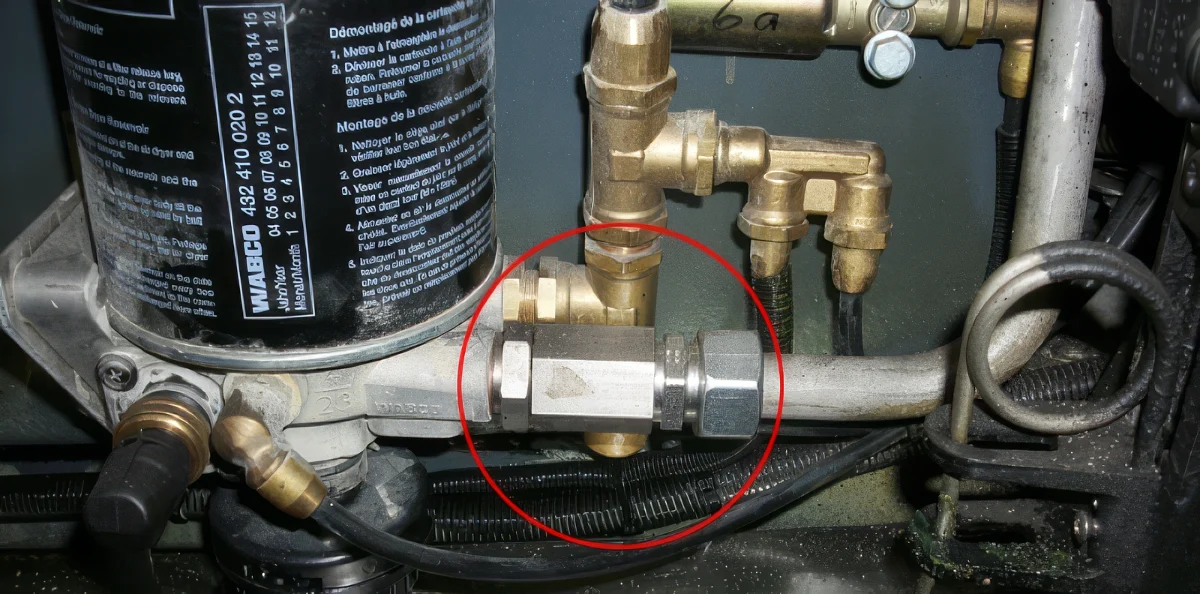
Electric bus
- Use
- Bus
- Dryer
- Single-chamber adsorption
Background and measurements are described in the trade article reprinted from “Verkehr und Technik” 2016 (German). All documents
Your valve.
Tell us your compressor and volume flow. pulsmin sizes the bypass bore and damper disc individually for every application.
PDV G 1"
Pulsation damper for screw and rotary vane compressors
- Connection
- G 1"
- Length
- 67 mm
- Width across flats
- 41 mm
- Weight
- 0.50 kg
Guide values from the dimension sheet. pulsmin finalises every design.